Lithograph by A. Devéria after C. F. Zincke
Lady Mary Wortley Montagu (1689-1762) was a British traveler who, from 1716-18, embarked on a diplomatic mission from London to Ottoman Greece. Montagu traveled with her husband, a British Ambassador to the Ottoman Porte, Edward Wortley Montagu, and her two children. Her journey took her through areas of ancient Thrace in 1717, where she stayed before continuing to Constantinople. In 1718, on her voyage through the Aegean Sea, Montagu sailed throughout Ottoman-held Greece, describing the areas of the Thracian Chersonese, the Hellespont, the Troad region, and the Aegean Islands. Lady Montagu's correspondence between 1715 and 1718 includes letters to various noble women and men, such as Alexander Pope. Her Turkish Embassy Letters were posthumously published in a pirate edition in 1763 as, Letters of the Right Honourable Lady M--y W---y M----e: Written during her Travels in Europe, Asia, and Africa. These letters reveal her pursuit of Greek antiquity, her experiences in female spaces, and her interest in smallpox inoculation practices.

Portrait by O. Humphry
Lady Elizabeth Craven (1750-1828) was a British aristocratic playwright and author, famous for her travelogues throughout eastern Europe and Greece. She made history as the first woman traveler to document her trip to Athens and the rest of Ottoman Greece, which she self-published as A Journey Through the Crimea to Constantinople in 1789 in multiple international editions. This was a special point of pride for Craven, who positioned her narrative as one of the first truly “authentic” accounts describing Greece’s natural world and personality of its people. Her travels brought her and her servant (who she never mentions in her account!) as far East as St. Petersburg, then South through Crimea into the Ottoman Empire’s capital of Constantinople and onward to Greek territory. Her eyewitness account of the women’s Turkish bath (hammam) in Athens remains one of the most famous, intricate, and highly studied scenes in early travelogue scholarship.
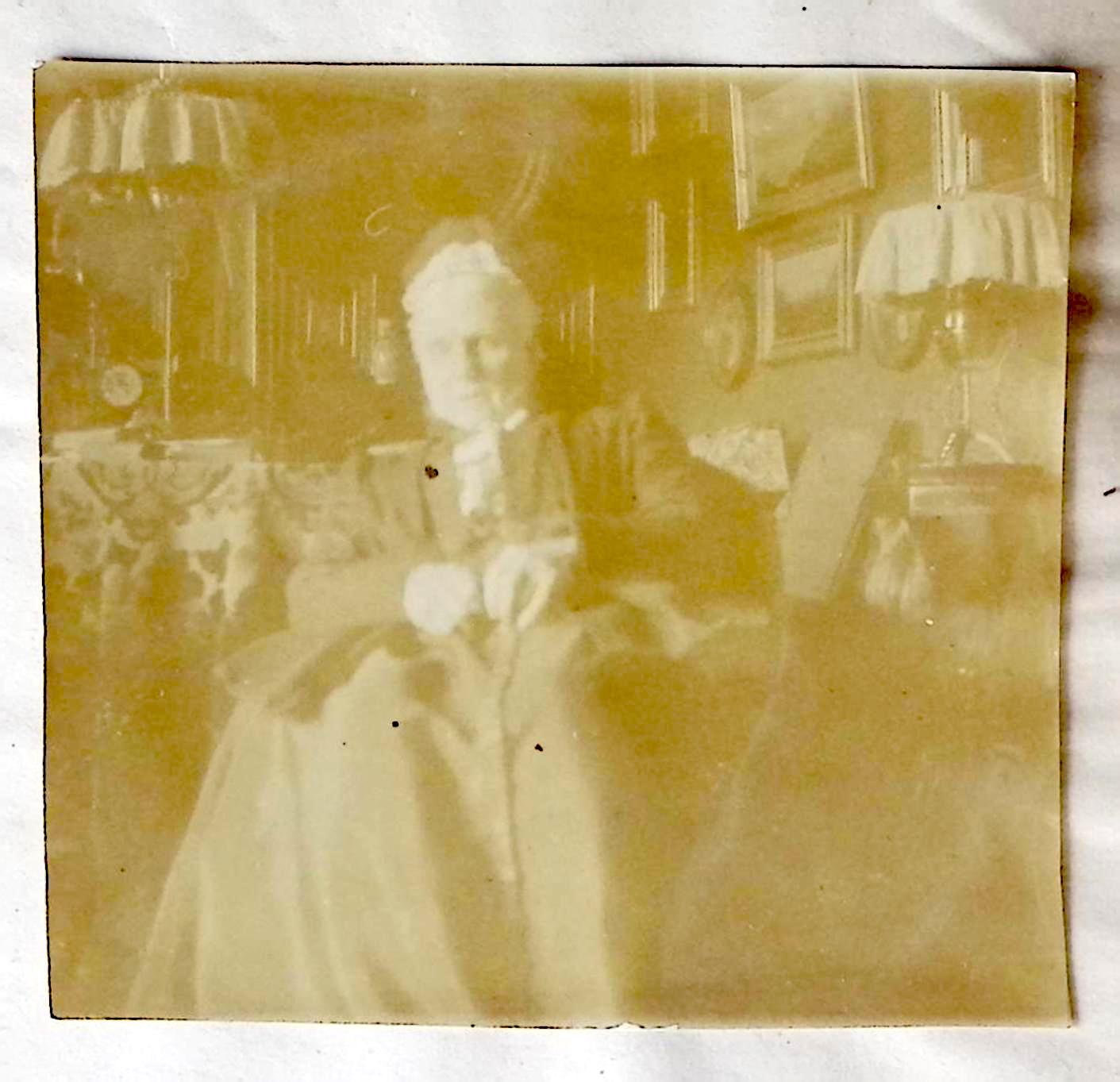
Photograph. Φ02502, Benaki Museum.
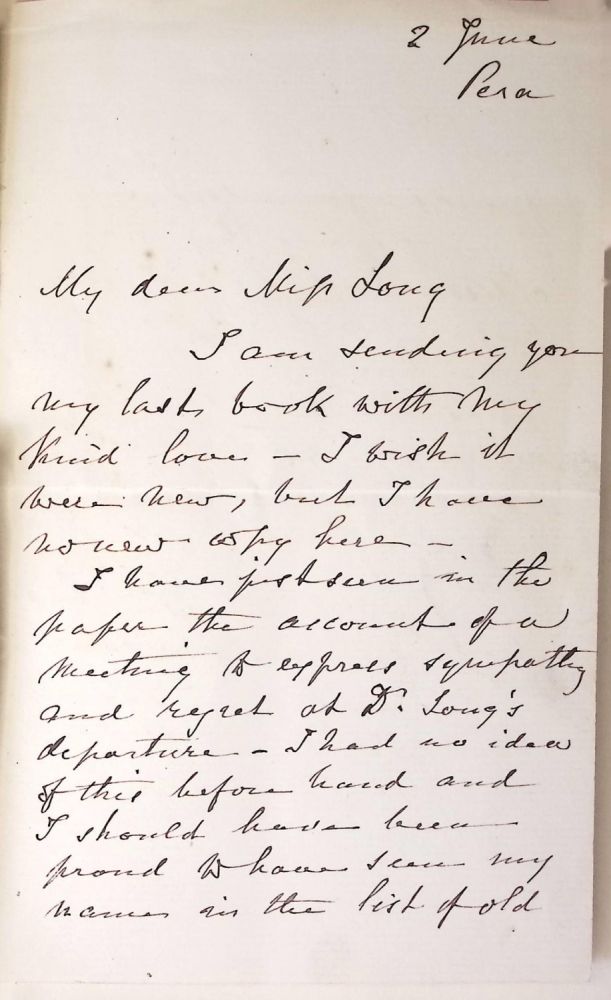
Mary Adelaide Walker (1820-1905) was a British traveller, beginning her travels in 1856 when she joined her brother in Istanbul and later Thessaloniki in 1860. She documented her extensive travels of over 40 years in several books including Through Macedonia to the Albanian Lakes (1864), Eastern Life and Scenery (1886), Untrodden Paths in Roumania (1888), and Old Tracks and New Landmarks (1897). While living in Istanbul, Walker befriended Lady Emelia Bithynia Hornby (1824-1866) and made the illustrations for Hornby’s book, Constantinople during the Crimean War (1863). From Istanbul Walker travelled through much of modern-day western Turkey, the Black Sea region, and Crete. While living in Thessaloniki, she explored much of the Balkans and especially Northern Greece, including Kavala, Philippi, Pella, and Edessa. Walkers books focus on the people and customs of the Ottoman empire and her work is accompanied by her own drawings.
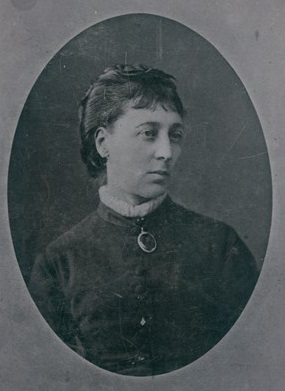
"Emily Anne Smythe, Viscountess Strangford." Author unknown.
Emily Ann Smythe, Viscountess Strangford (1826–1887) was an adventurous traveller, prolific writer, and staunch supporter of human rights. In 1858, she travelled with her sister to Asia Minor, North Africa, and the Balkans, documenting their journey in her immensely popular book, Egyptian Sepulchres and Syrian Shrines (1961). She followed this with her second book, The Eastern Shores of the Adriatic in 1863: With a Visit to Montenegro (1864). Of Irish descent, Smythe was critical of both British and Ottoman imperialism. She compared Dionysios Solomos’ “Hymn to Liberty” to the Irish chant “Who fears to sing of ‘98,” which refers to the Irish Rebellion of 1798 against the British monarchy. Following the 1876 April Uprising, Smythe organized the Bulgarian Peasant Relief fund and established several hospitals and mills in Bulgaria, as well as temporary hospitals in Adrianople and Sophia during the Russo-Turkish War (1877-1878). In 1883, she received the Royal Red Cross for her contributions in creating the Victoria Hospital, Cairo.
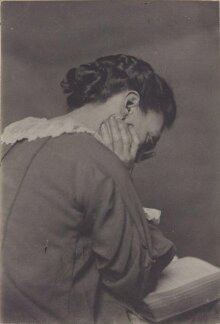
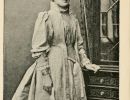
Photograph (1899), Victoria and Albert Museum
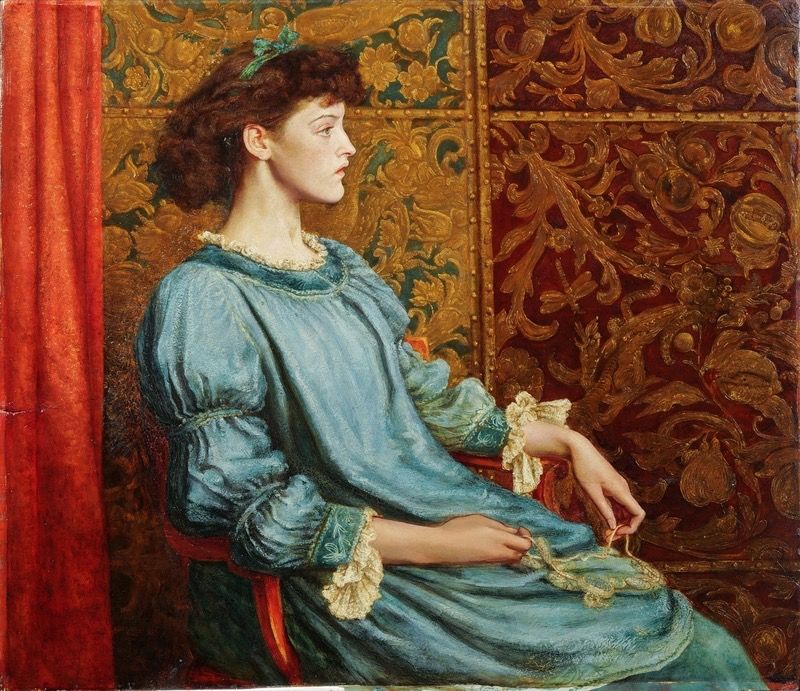
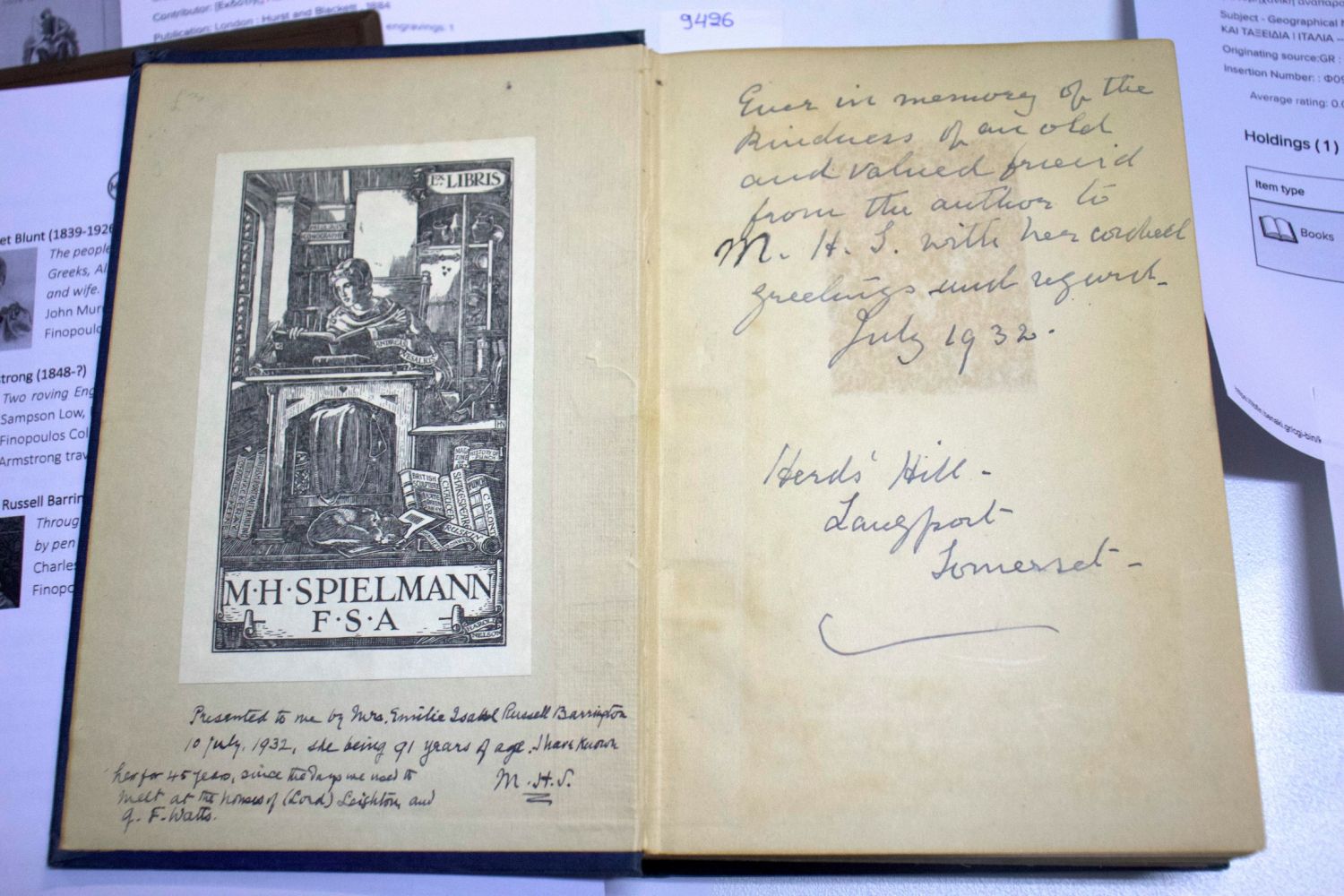
Emilie Isabel Russell Barrington (1841-1933) was a British biographer, novelist, artist, and activist born in Mayfair, London on October 18, 1841, as the youngest of six daughters to James Wilson, founder of The Economist. In her early twenties, she joined movements promoting the employment of women, and in 1881 she helped to found the Kyrle Society, which aimed to “bring beauty home to the poor.” A woman of remarkable talents and adventurous spirit, Barrington became an influential member of the Holland Park Circle and became friends with prominent artists, including George Frederic Watts and Frederic Leighton, both of whom she later wrote acclaimed biographies. She became an early council member of the National Trust, and played a key role in preserving Leighton House as a museum. Her writing displayed remarkable sensibility to nature and keen observational skills. Her published works included an autobiography (now lost), novels (Lena's Picture, Helen's Ordeal), contributions to prestigious periodicals, and a travel memoir, Through Greece and Dalmatia (1912).
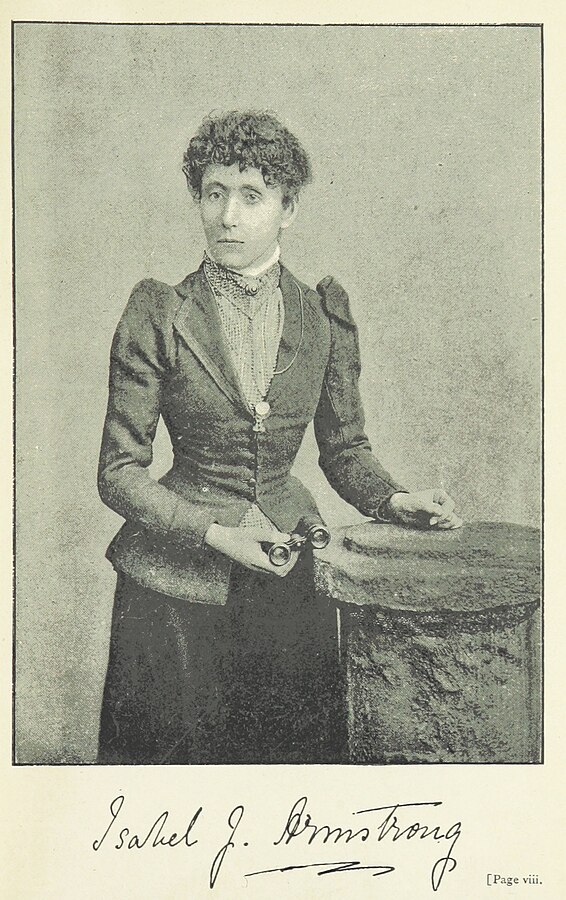
Armstrong (1893), 17
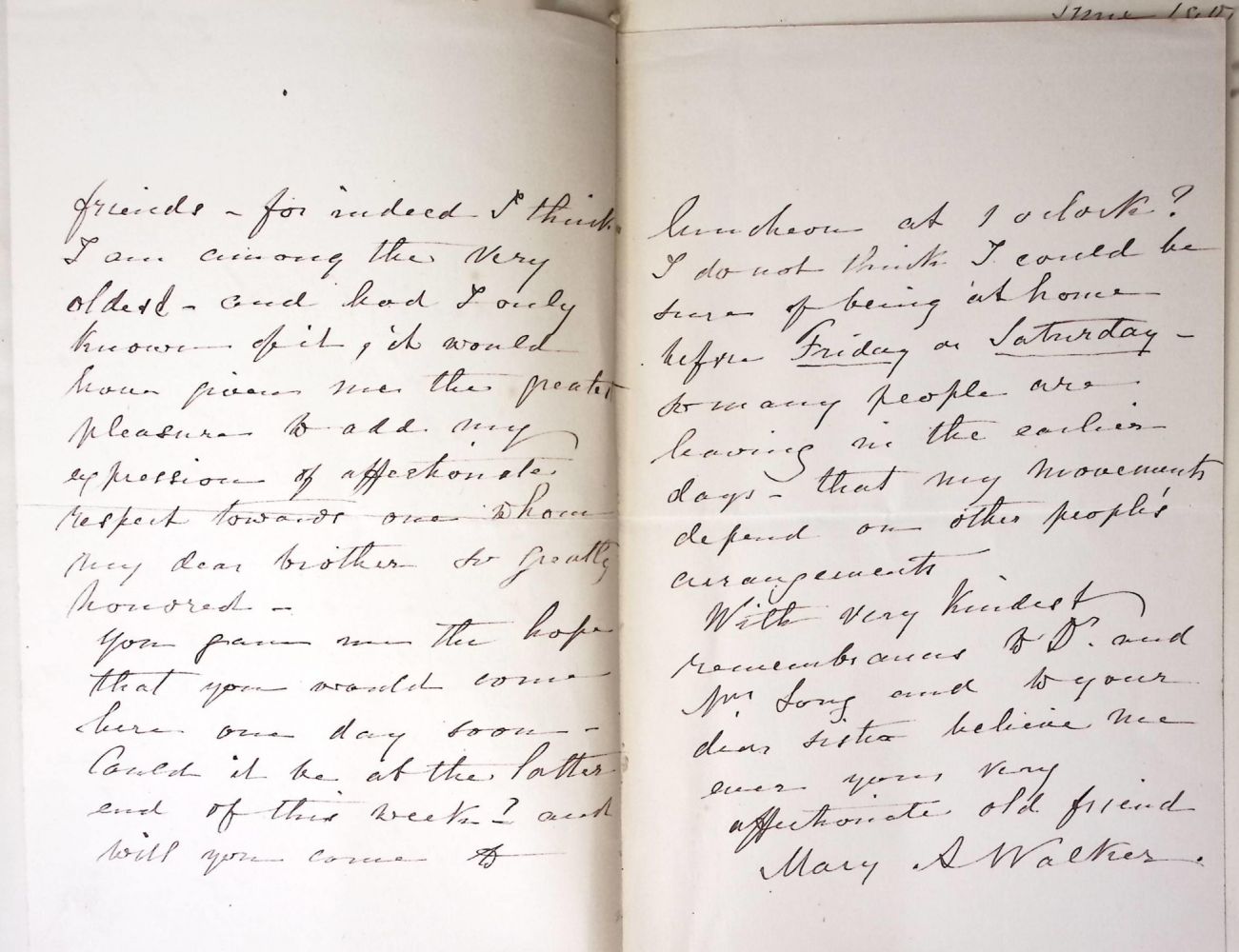
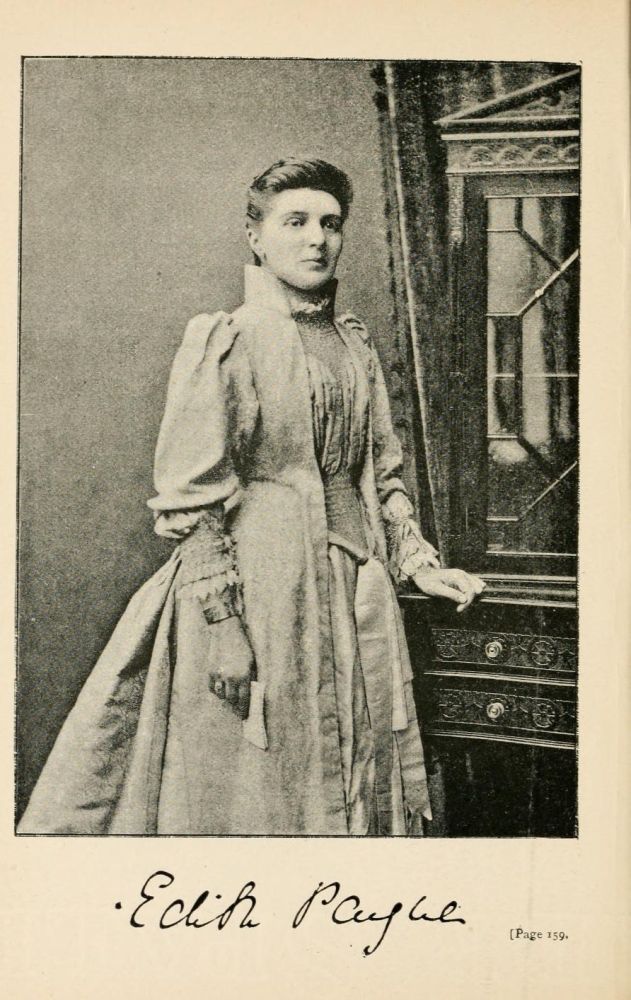
Isabel Armstrong (ca. 1848-?) was a British traveller at the end of the nineteenth century. Little is known about her—even her birthdate and year of death remains unclear—except for what she recorded in her only book, Two Roving Englishwomen in Greece. Published in 1893, Armstrong’s academic and personal travel narrative follows her and her close friend, Edith Payne, as they adventure through Greece’s less travelled regions in “the excitement of the spring of 1892.” Their custom itinerary whisked them through Attica, Corinthia, the deep Peloponnese, and crucially Thessaly, a rarity in this period of which Armstrong was especially proud. The two women are unique among their contemporary women travellers, as they are both unmarried and aged around 45 years old at the time of their trip. Even so, Armstrong and Payne were determined to “prove” to their readers that “any woman—who did not mind roughing it could attempt this journey with ease” and enjoy Greece as they did!